Grand National Betting Guide: Odds, Data, and Strategy for Aintree
 Available in US
Table of Contents
- The Grand National: £250 Million Riding on 34 Runners
- How the Grand National Field Is Built: Weights, Ratings, and Ballot
- Ante-Post vs Day-Of Betting: Timing Your Grand National Wager
- Each-Way at Aintree: Place Terms and Value Spots
- The Gateway Race: What the Data Says About First-Time Punters
- Grand National Market Integrity and Black-Market Leakage
- Beyond the National: Other Aintree Festival Betting Opportunities
- Frequently Asked Questions
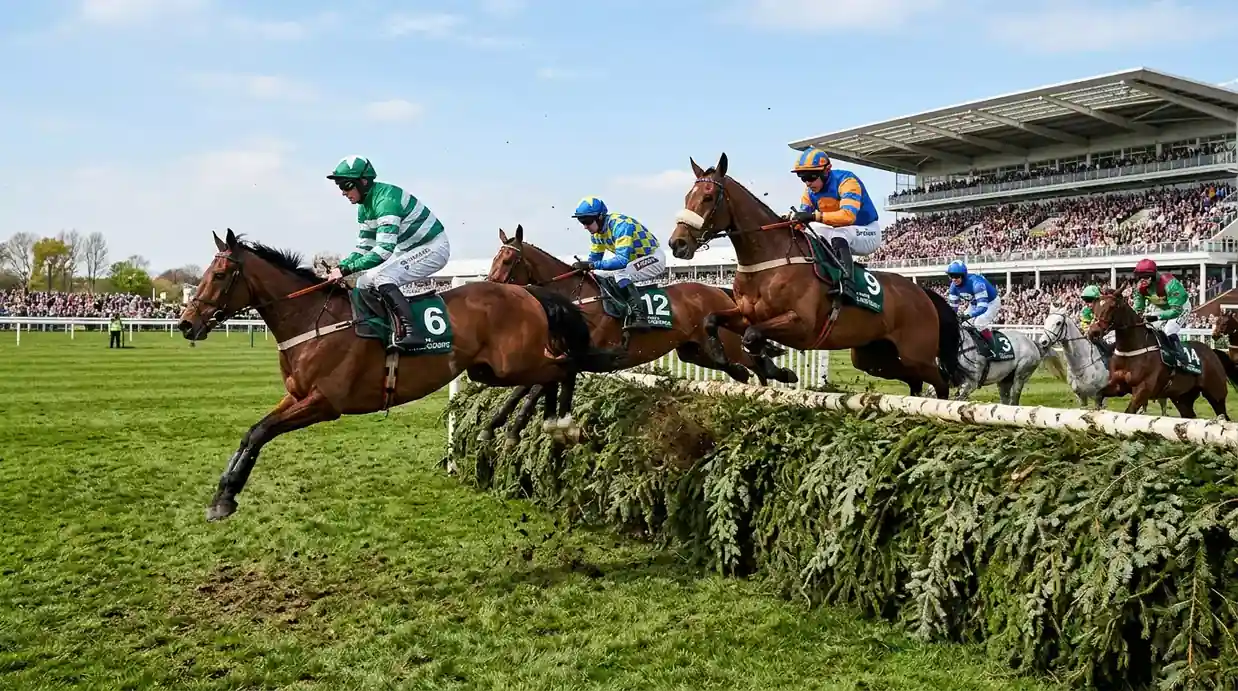
The Grand National: £250 Million Riding on 34 Runners
I was fourteen the first time I watched the Grand National, crowded around a television in a living room full of adults holding slips of paper with horse names scrawled on them. Nobody in that room studied form. Nobody checked the going. It did not matter — the race had them anyway. Two decades later, I still feel the pull every April, except now I understand what I am looking at, and that understanding has turned a childhood spectacle into one of the most analytically fascinating betting events on the calendar.
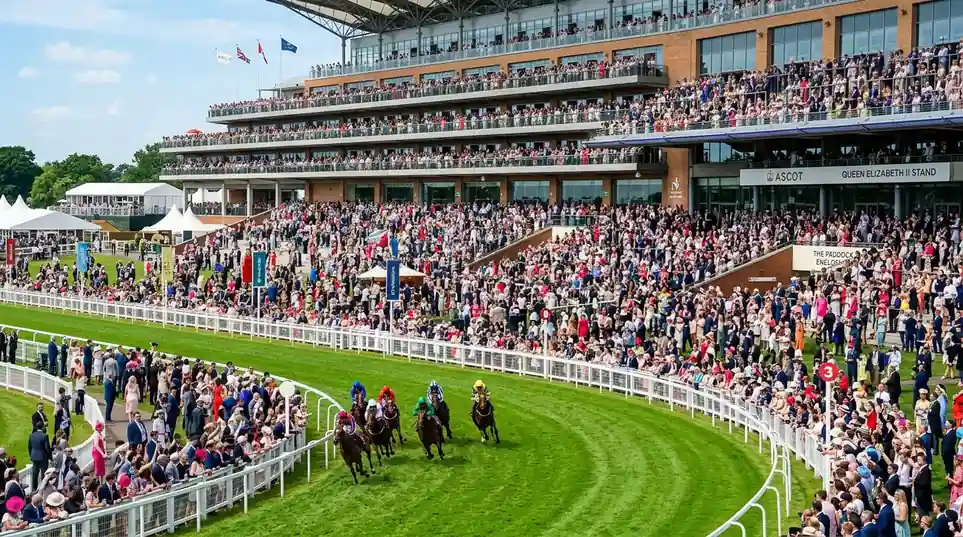
The Grand National is the single biggest betting race in Britain. Around £250 million is wagered on the event each year, with roughly £200 million of that concentrated on the main race itself. The wider Aintree Festival generates more than £250 million in total wagering, but it is the National that draws the nation’s attention — and its wallets. Approximately 12 million people in the UK place a bet on the race annually, a figure that dwarfs every other horse racing event by an enormous margin.
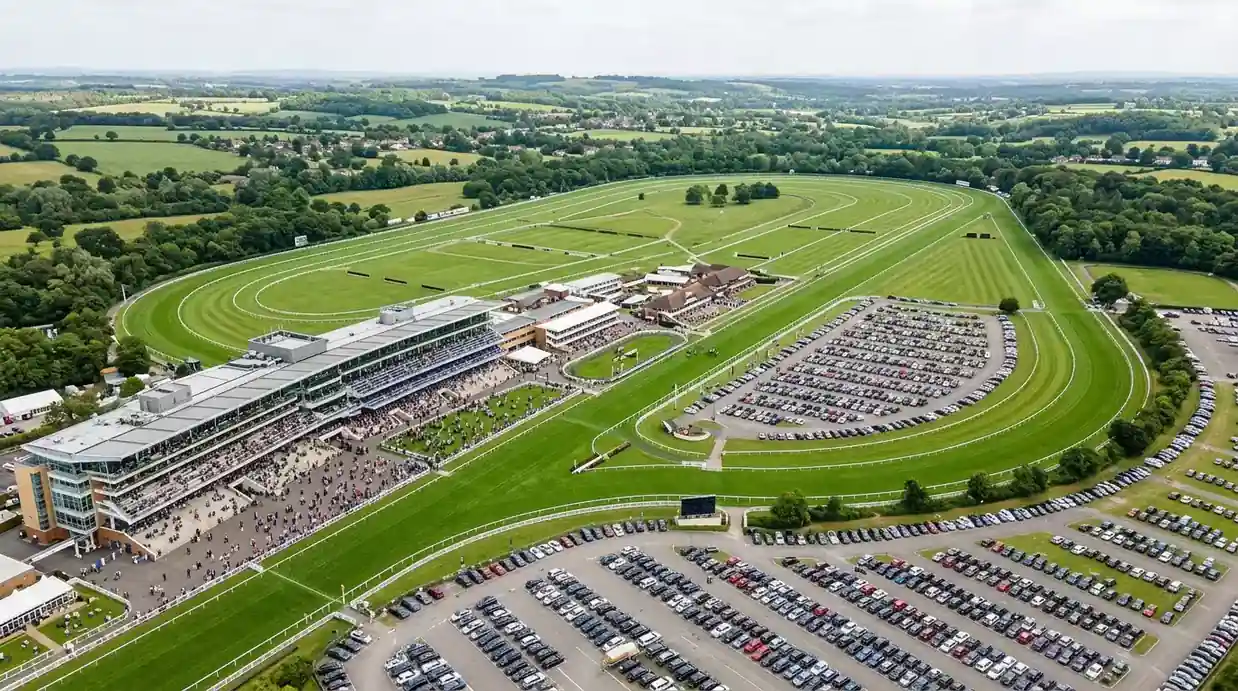
What makes the National unique as a betting proposition is not just its scale but its structure. Thirty-four runners tackle four miles and two furlongs over 30 fences, including iconic obstacles like Becher’s Brook and The Chair. The field size was reduced from 40 to 34 in 2024 as a safety measure, and that change has tightened the competitive window — fewer runners means each horse carries a marginally higher mathematical chance of being involved at the finish. The race is run as a handicap, which means weights are assigned to level the field based on ability. In theory, every horse has a chance. In practice, the data reveals patterns that the casual punter overlooks and the informed bettor exploits.
This guide breaks down the mechanics of betting on the Grand National — how the field is constructed, when to place your bet, how to approach each-way terms, and what the broader market dynamics tell you about where value hides in a race that captures the entire country for ten minutes every spring.
How the Grand National Field Is Built: Weights, Ratings, and Ballot
Most casual bettors treat the Grand National field as a given — 34 names on a racecard. They do not ask why those 34 and not others, or how the weights were assigned. But the field construction process contains information that directly affects the odds, and understanding it gives you an analytical foothold before you even start looking at form.
Entries for the Grand National close in stages. The initial entry stage, months before the race, typically attracts over 100 horses. The handicapper then assigns weights based on official BHA ratings. The top-rated horse receives the maximum weight — currently around 11 stone 10 pounds — and every other runner is weighted relative to that benchmark. A horse rated ten pounds lower carries ten pounds less. The weight range from top to bottom is significant: the difference between the top weight and the bottom weight can be three stone or more, which over four miles and 30 fences makes an enormous physical difference.
The field is capped at 34 runners, a reduction from the previous limit of 40 introduced for safety reasons in 2024. If more than 34 horses remain at the final declaration stage, the lowest-rated entries are balloted out. This means that in competitive years, horses with perfectly respectable ratings do not get a run. For bettors, the practical implication is that the final field is self-selecting for quality — every runner has earned its place through performance, and there are no true no-hopers in the way there might have been when 40 runners lined up.
Weights create a specific betting dynamic. Top-weighted horses carry a demonstrable disadvantage over the marathon distance. Since 2000, Grand National winners have carried an average weight significantly below the top of the handicap. The sweet spot tends to cluster in the mid-range — horses rated well enough to be competitive but not so highly rated that they are burdened with lead. When you are studying the racecard, pay close attention to horses in the 10 stone 4 pounds to 10 stone 12 pounds range. They combine sufficient ability with a weight that the data says is manageable over the unique Aintree course.
The handicapper also publishes longhandicap weights — the theoretical weight a horse would carry if it were in the race but below the minimum. Occasionally, a horse that sneaks into the field at the bottom of the weights is actually “well handicapped” because its longhandicap weight would have been lower than the minimum it must carry. These are the runners that shrewd ante-post bettors target, because the market does not always adjust fully for the advantage embedded in the weight allocation.
Ante-Post vs Day-Of Betting: Timing Your Grand National Wager
Every January, the first Grand National ante-post markets appear, and every January, I watch punters lock in prices on horses that will not run. It is one of the defining tensions in National betting: ante-post prices are significantly more generous than day-of prices, but they come with the risk that your horse does not make the final field, in which case your stake is lost with no refund.
The ante-post market works on the principle that early money earns a premium for accepting uncertainty. A horse trading at 33/1 in February might be 16/1 by race day if it runs well in a trial and the market shortens. If you backed it ante-post, you are sitting on a price that no longer exists. But if the horse picks up an injury in March, or the trainer decides the ground will not suit, or it gets balloted out of the final 34, your bet is dead.
The key dates to track are the confirmation stages. The final declarations usually happen five days before the race. At that point, you know the definite field, the drawn order, and the final weights. Any non-runner refund offers from bookmakers kick in after final declarations — before that, ante-post rules apply.
My own approach has evolved over the years. I split my Grand National betting into two phases. The first is a small ante-post position in January or February on one or two horses at long prices — horses I believe have the profile (stamina, jumping record, weight range, trainer history at Aintree) but which the market has not yet fully recognised. I accept that some years this ante-post money will be lost. The second phase comes after final declarations, when I assess the confirmed field and place day-of bets with the benefit of full information: final going, jockey bookings, stable confidence, and market movements in the final 48 hours.
For a first-time National bettor, the cleanest approach is to wait until after declarations and bet on the day. You lose nothing to non-runners, you see the full picture, and you can take advantage of Best Odds Guaranteed promotions that many bookmakers offer on the race. Ante-post is a tool for experienced punters comfortable with taking calculated losses in exchange for occasionally holding prices that the market has dramatically compressed by race day.
Each-Way at Aintree: Place Terms and Value Spots
If there is one race on the calendar that was made for each-way betting, it is the Grand National. Thirty-four runners, a handicap, and a course that introduces enough chaos to scramble the form book — the conditions are textbook for the place component of an each-way bet to carry standalone value.
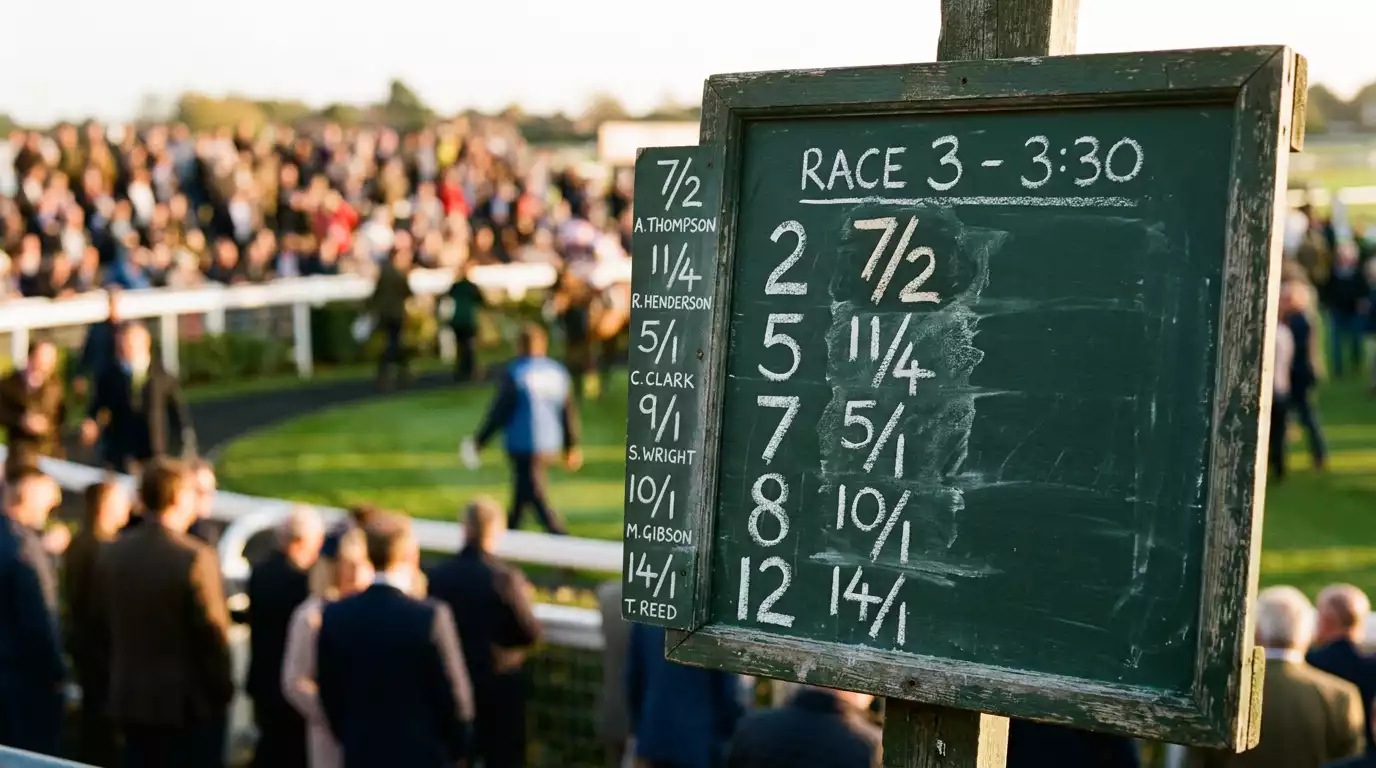
Standard each-way terms for the Grand National are four places at 1/4 of the win odds. Most major bookmakers enhance this to five, six, or even seven places in the lead-up to the race as a competitive promotion. The difference matters enormously. At standard four-place terms, a £5 each-way bet on a 25/1 shot that finishes fifth returns nothing. At six-place enhanced terms, that same horse finishing fifth pays 25/4 on the place part — £31.25 on a £5 place stake, giving you £21.25 profit after accounting for the full £10 outlay.
Around 82% of Grand National bets are £5 or less, and about 30% of punters placing a National bet are making their first deposit or their first bet in over a year. For these casual bettors, each-way is the natural format because it extends engagement through the race. Even when your horse is not going to win, a top-four or top-six finish under enhanced terms turns a small stake into a meaningful return. That engagement dynamic is part of what makes the National a gateway event — people discover through the race that betting can be more than binary.
For the analytical bettor, the value spots in each-way National betting tend to sit in a specific price range: 16/1 to 33/1. Horses shorter than 16/1 are usually well-known quantities with less place value relative to their price. Horses longer than 33/1 typically have genuine question marks — fitness, ground preference, Aintree experience — that make even a place finish speculative. The middle band offers the best intersection of realistic place chance and generous place returns under enhanced terms. Cross-reference this price band with the weight analysis from the previous section, and you start to narrow the field meaningfully. A horse at 22/1 carrying 10 stone 7 pounds with proven form over three miles and clean jumping credentials is the profile that each-way strategies at Aintree are built around.
The Gateway Race: What the Data Says About First-Time Punters
There is a reason the Grand National has its own section in this guide rather than being folded into a broader discussion of festival betting. No other race in British sport brings 12 million people to the betting window. No other race generates the kind of cultural participation that sees offices run sweepstakes, families gather around televisions, and people who could not name another horse race find themselves studying a racecard for the first time.
The numbers paint a vivid picture. Roughly 68% of racegoers at British racecourses in 2025 were casual visitors or first-timers, and the Grand National concentrates that demographic effect into a single afternoon. About 30% of National bettors are placing their first bet in over a year or making an entirely new deposit. These are not habitual punters — they are people who engage with racing once a year, drawn in by the spectacle, the tradition, and the social ritual of picking a horse.
Brant Dunshea, Chief Executive of the BHA, has spoken about the vast untapped market for the sport, with over 25 million potential new fans identified through Project Beacon audience research. The Grand National is the strongest evidence for that claim. It demonstrates that interest in horse racing betting exists far beyond the core audience — the challenge is converting a single annual flutter into sustained engagement with the sport.
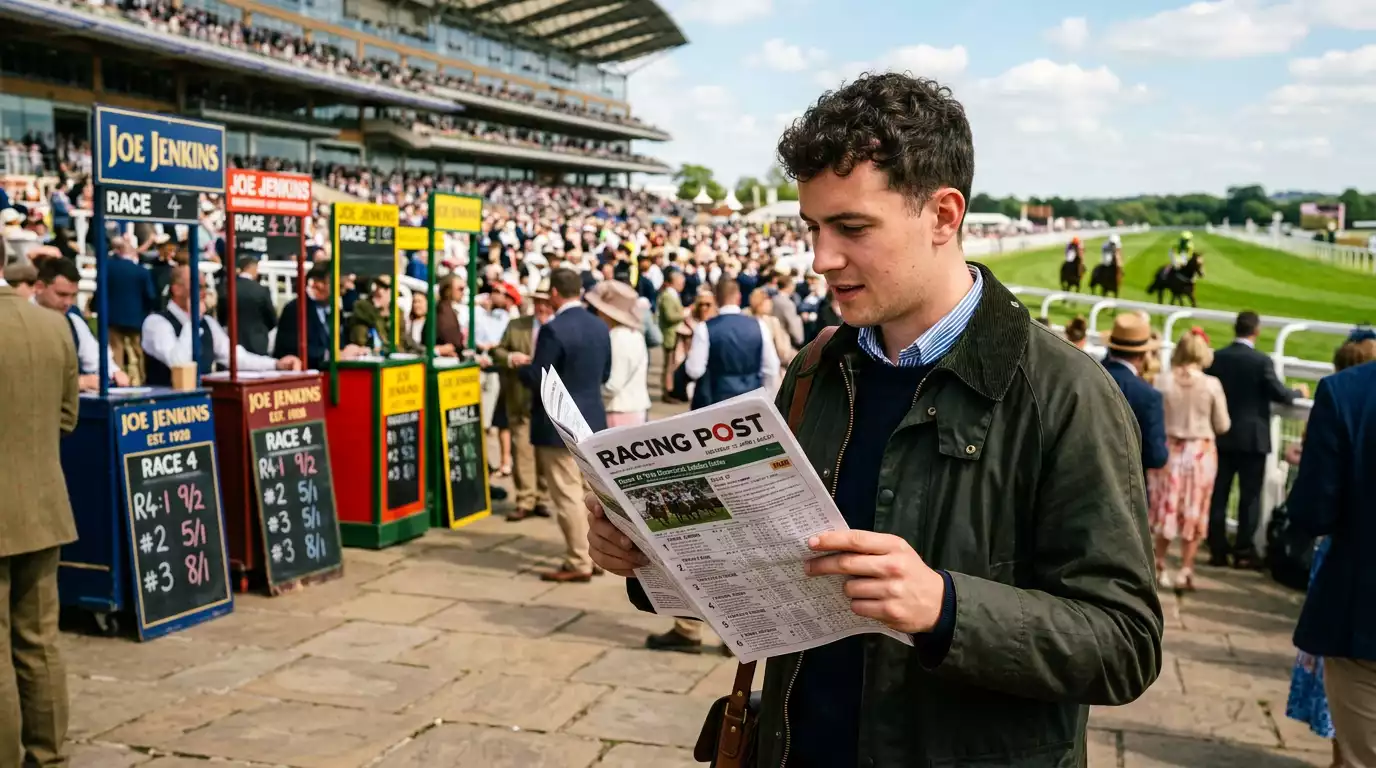
For the first-time bettor reading this guide, the Grand National is an excellent starting point precisely because the wealth of available analysis, preview content, and market data makes it one of the most accessible races to research. Trainers, jockeys, and pundits all weigh in publicly. The form of every runner is dissected in newspapers, podcasts, and television previews. You are not working in an information vacuum. The task is filtering that noise into a structured assessment — which is exactly what this guide is designed to help you do.
For the experienced bettor, the presence of all that recreational money creates its own dynamic. Casual stakes tend to cluster around horses with compelling narratives — a photogenic name, a famous trainer, a sentimental backstory. That money compresses the odds on those runners, which in turn pushes the odds outward on less glamorous but equally capable horses. The overlay sits in the parts of the market where the casual punter does not look.
Grand National Market Integrity and Black-Market Leakage
Something that rarely appears in the glossy preview supplements but sits squarely in the data is the question of where all that Grand National money actually goes. Not all of it flows through licensed channels, and the proportion that does not has been growing in a way that should concern anyone who cares about the sport’s financial ecosystem.
An estimated £9.4 million — roughly 3.8% of total Grand National turnover in 2025 — was wagered through unlicensed operators. That figure is an industry estimate, and the real number may be higher. Unlicensed bookmakers do not pay the horserace betting levy, they do not contribute to safer gambling programmes, and they do not operate under the regulatory framework that protects punters’ funds. Every pound placed with an unlicensed operator is a pound extracted from the system that funds prize money, maintains racecourses, and supports the 85,000 jobs the industry sustains.
The growth of the black market in UK horse racing betting is not a marginal story. Traffic to unlicensed betting sites grew 522% between August 2021 and September 2024, according to data compiled by the International Federation of Horseracing Authorities. Over the same period, traffic to licensed sites grew just 49%. The Betting and Gaming Council estimates that 1.5 million UK residents spend up to £4.3 billion annually with unregulated operators across all sports — horse racing being a significant component of that total.
For the individual punter, the practical implication is straightforward: bet with UKGC-licensed operators. The regulatory framework exists to protect your money. Licensed bookmakers segregate customer funds, adhere to dispute resolution processes, and face consequences for malpractice. An unlicensed operator offers none of those protections. The price you see might be slightly more attractive, but the risk of not being paid out, having no recourse in a dispute, or having your personal data mishandled far outweighs any marginal odds advantage.
The broader market-integrity dimension is that black-market leakage suppresses the levy income that funds British racing. Less levy income means smaller prize funds, which means fewer horses in training, which means smaller fields and less competitive racing. It is a feedback loop that ultimately degrades the product you are betting on. Betting legally is not just a personal protection measure — it is an investment in the sport itself.
Beyond the National: Other Aintree Festival Betting Opportunities
The Grand National dominates the headlines, but the Aintree Festival spans three days and features some of the best racing on the National Hunt calendar. If your entire Aintree strategy consists of a single bet on the big race on Saturday, you are leaving value on the table across Thursday and Friday — days when the fields are smaller, the form is clearer, and the market is less distorted by recreational money.
The Aintree Hurdle, the Melling Chase, and the Maghull Novices’ Chase are Grade 1 contests that attract top-class performers. These races typically feature eight to twelve runners with well-established form lines, making them more predictable than the National and better suited to win-only betting at shorter prices. The data reflects this: the Grand National generates more than 700% more betting turnover than the Cheltenham Gold Cup, but the supporting races at Aintree produce turnover patterns much closer to regular high-grade fixtures.
For the each-way bettor, the handicap races on the undercard are where the Festival’s hidden value lies. The Topham Chase, run over the National fences at a shorter distance, regularly attracts 20 or more runners and offers the same kind of large-field, big-fence dynamics as the National itself — but with a fraction of the attention and correspondingly less efficient odds. The Red Rum Handicap Chase and the various handicap hurdles on the undercard follow a similar pattern: competitive fields, open form, and place terms that reward each-way engagement.
My recommendation for anyone attending or following the Aintree Festival is to approach it as a three-day campaign rather than a one-race event. Set a total budget for the Festival, divide it across the three days with the larger allocation on Saturday, and use Thursday and Friday to identify form lines and trainer patterns that may carry into the National itself. A trainer whose horses run well in Thursday’s conditions race but do not win may have a better-prepared runner in the National two days later. The Festival rewards patience and observation in a way that a single-race punt simply cannot.
Frequently Asked Questions
How many horses run in the Grand National now?
The Grand National field is capped at 34 runners following a reduction from 40 in 2024. The change was introduced for safety reasons after a review of the race by the BHA and Aintree. Reserve runners are named in case of late withdrawals, but the maximum number that can line up is 34.
When is the best time to place an ante-post Grand National bet?
The most value is typically found in January and February when ante-post markets first open and prices are at their longest. However, ante-post bets carry the risk of losing your stake if the horse does not run. For those who prefer certainty, betting after final declarations — usually five days before the race — guarantees your horse is running and allows you to take advantage of Best Odds Guaranteed promotions.
What are the Grand National each-way place terms?
Standard terms are four places at 1/4 of the win odds. Most major bookmakers offer enhanced terms in the lead-up to the race, typically paying five, six, or seven places at 1/4 odds. Enhanced terms are promotional and vary by operator, so always check the specific offer before placing your bet.
How much money is wagered on the Grand National each year?
Total wagering on the Grand National is estimated at around £250 million per year, with approximately £200 million on the main race and the remainder spread across the wider Aintree Festival card. The race attracts bets from roughly 12 million people in the UK, with the vast majority placing small stakes of £5 or less.
Published by the Horse bet Racing team.