Affordability Checks in UK Betting: The New Rules and Their Impact
 Available in US

The Policy That Reshaped How the UK Bets on Racing
In February 2025, the UK Gambling Commission lowered the threshold for financial risk assessments from £500 to £150 in net monthly deposits. That single regulatory change has done more to alter the landscape of horse racing betting than any other policy shift I have witnessed in eleven years of covering this market. Whether you think it is a necessary safeguard or an overreach that drives punters to unregulated alternatives depends on where you sit — but the data on its impact is clear, and the debate it has triggered is far from settled.
The Racing Post’s Big Punting Survey in 2025 found that 23.7% of respondents had been subjected to affordability checks, up from 16.6% in 2023. That is nearly a quarter of engaged racing bettors experiencing some form of financial scrutiny from their bookmaker. The numbers tell a story of a regulatory framework tightening rapidly around a customer base that, by and large, did not ask for it.
The £150 Net-Deposit Threshold: How It Works
The mechanics are straightforward. If your net deposits with a single licensed operator reach £150 within a calendar month — net deposits being the total you deposit minus any withdrawals — the bookmaker is required to conduct a “light-touch” financial check. This might involve checking your details against open-source data, verifying your income band, or simply flagging your account for enhanced monitoring.
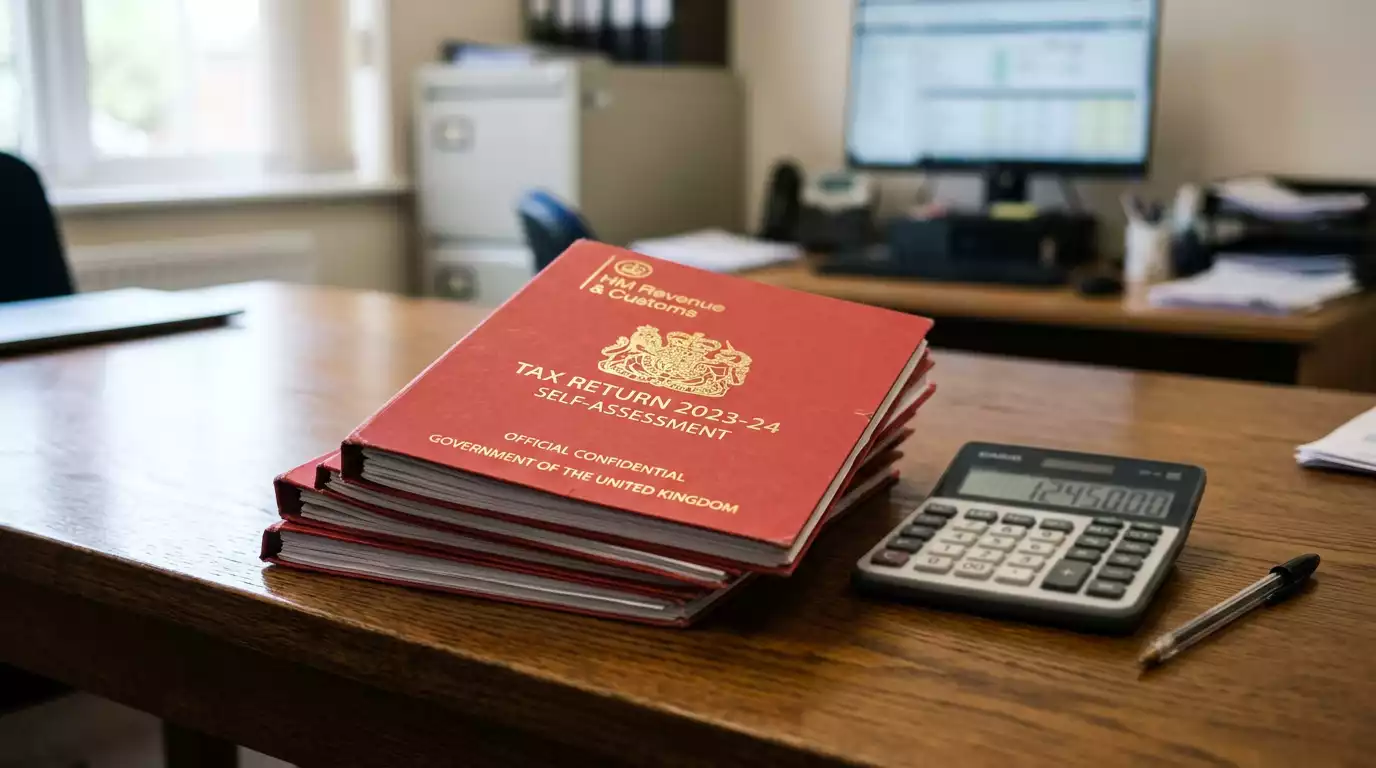
If your net deposits exceed higher thresholds, or if other risk indicators are triggered, the checks become more intrusive. You may be asked to provide payslips, bank statements, or tax returns. Until those documents are reviewed, your account can be restricted or suspended. The entire process can take days or weeks, and during that time you cannot bet — even if you have money sitting in your account.
Over 400 leaders in the horse racing industry signed an open letter to the government asking for a pause on the new affordability framework. The concern is not with the principle of protecting vulnerable gamblers — that cause has broad support — but with the blunt instrument being used. A retired person using racing as a hobby, depositing £200 a month from a pension, now faces the same scrutiny as someone betting recklessly beyond their means. More than 100,000 people signed a petition against affordability checks in 2024, which led to a parliamentary debate. The debate produced discussion but no change to the policy.
Impact on Recreational and High-Staking Punters
I have spoken to dozens of racing bettors who have been through the affordability process, and the experiences vary widely. Some describe a painless email exchange that took a day. Others recount weeks of account suspension, requests for sensitive documents, and a general sense that they were being treated as suspects rather than customers.
Simon French, Director of Orange County Services, has framed the problem precisely: the biggest concern is not that affordability checks drive people away, but that getting them back once they leave is far harder. A bettor who has their account frozen mid-meeting at Cheltenham does not come back next week with a smile. They either open an account with a different bookmaker — where the cycle starts again once they hit £150 — or they find an alternative outside the regulated market entirely.
A third of high-staking punters surveyed by the Racing Post admitted to placing bets with unlicensed operators. That number is not a coincidence. When the licensed route becomes cumbersome, the unlicensed route — which requires no documents, imposes no limits, and asks no questions — becomes tempting. The affordability framework was designed to protect punters from harm, but the unintended consequence is a migration of betting activity to platforms where no protection exists at all.
For the racing industry, the financial impact is direct. Every pound wagered through an unlicensed operator generates no levy income for British racing. Betting turnover has already declined significantly since 2022, and affordability checks are one of the contributing factors. The sport’s funding model depends on a healthy regulated market, and the checks are draining that market of both volume and enthusiasm.
Industry Response: The Open Letter and Parliamentary Debate
The open letter from over 400 racing leaders to Lisa Nandy, then Secretary of State for Culture, Media and Sport, laid the industry’s position out plainly. The signatories — trainers, owners, jockeys, breeders, and racecourse executives — argued that the Commission appeared intent on pursuing affordability checks regardless of the consequences for Britain’s second most popular spectator sport.
The BHA’s acting Chief Executive, Brant Dunshea, has sought to occupy a middle ground, noting that gambling regulations should be balanced and proportionate, and that people betting safely on racing should be allowed to do so without interruption. That message — regulation is necessary, but calibration matters — reflects the consensus among most informed observers. The question is whether the current calibration is right, and the evidence suggests it is not.
The practical fallout is visible in betting patterns. Punters who previously maintained a single bookmaker account and bet freely are now spreading smaller deposits across multiple operators to stay beneath the threshold. Others have reduced their overall betting activity rather than submit to document requests. And a meaningful minority — the 33% of high-staking punters who admitted to using unlicensed operators — have left the regulated market altogether. Each of those responses reduces the volume of betting that generates levy income for the sport, tax revenue for the Treasury, and data for safer gambling interventions.
Parliament debated the issue following the public petition, but legislative change moves slowly and political appetite for appearing soft on gambling regulation is limited. In the meantime, the UKGC has signalled it may review the thresholds based on early data, though no concrete timeline has been published. For punters, the practical advice is simple: keep records of your deposits, expect to be asked for documentation if you exceed the £150 threshold, and factor the possibility of account disruption into your betting planning. It is not ideal, but it is the regulated environment we have. Understanding the full scope of how to evaluate horse racing betting sites now includes knowing how each operator handles affordability checks — some are significantly smoother than others.
Frequently Asked Questions
What are affordability checks and how do they affect bettors?
Affordability checks are financial risk assessments that UK-licensed bookmakers are required to conduct when a customer’s net deposits reach certain thresholds. Since February 2025, the light-touch threshold is £150 in net monthly deposits. Checks can range from automated data queries to requests for payslips or bank statements. During the review, your account may be restricted, preventing you from placing bets until the check is complete.
Can I avoid affordability checks by using multiple bookmakers?
Spreading deposits across multiple bookmakers means you will hit the per-operator threshold more slowly, but each operator conducts checks independently. If you deposit £100 with three different bookmakers, no single one triggers the £150 threshold in that month. However, this approach adds complexity, and if any single account crosses the threshold, that operator will conduct its own check. It is not an avoidance strategy — it is a distribution of the same regulatory obligation.
Written by the editors at Horse bet Racing.