Epsom Derby Betting Guide: Tackling the Toughest Flat Classic
 Available in US
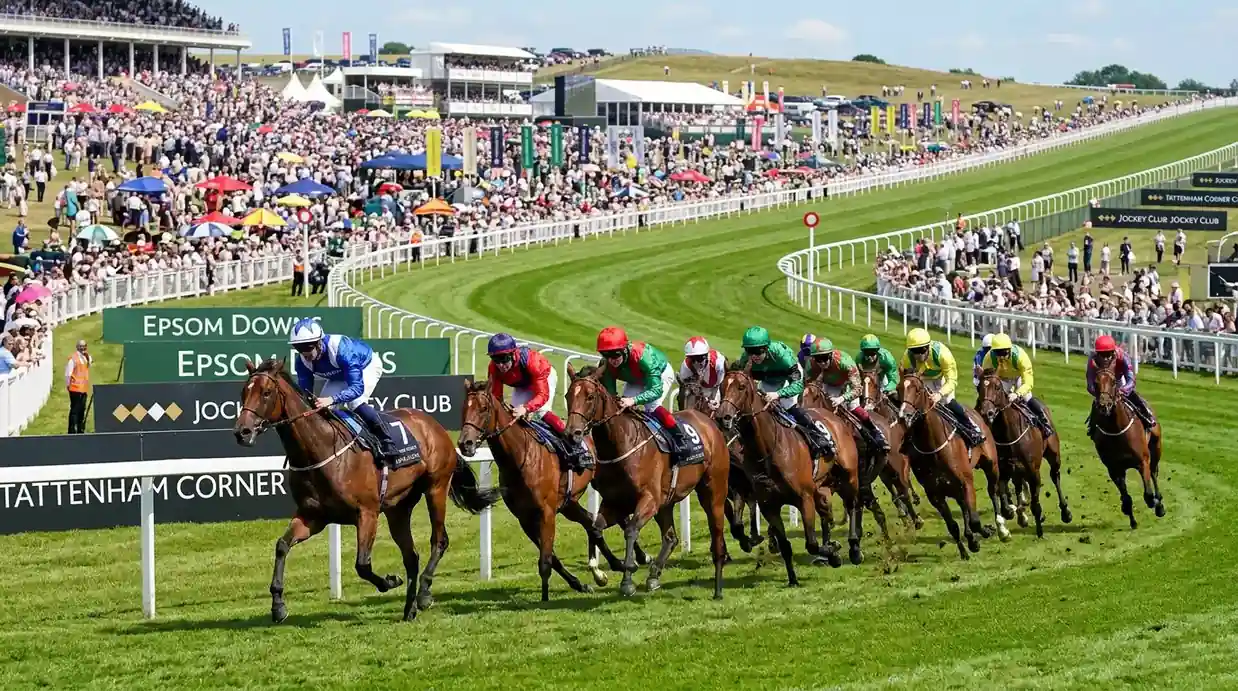
The Derby Asks Questions No Other Flat Race Asks
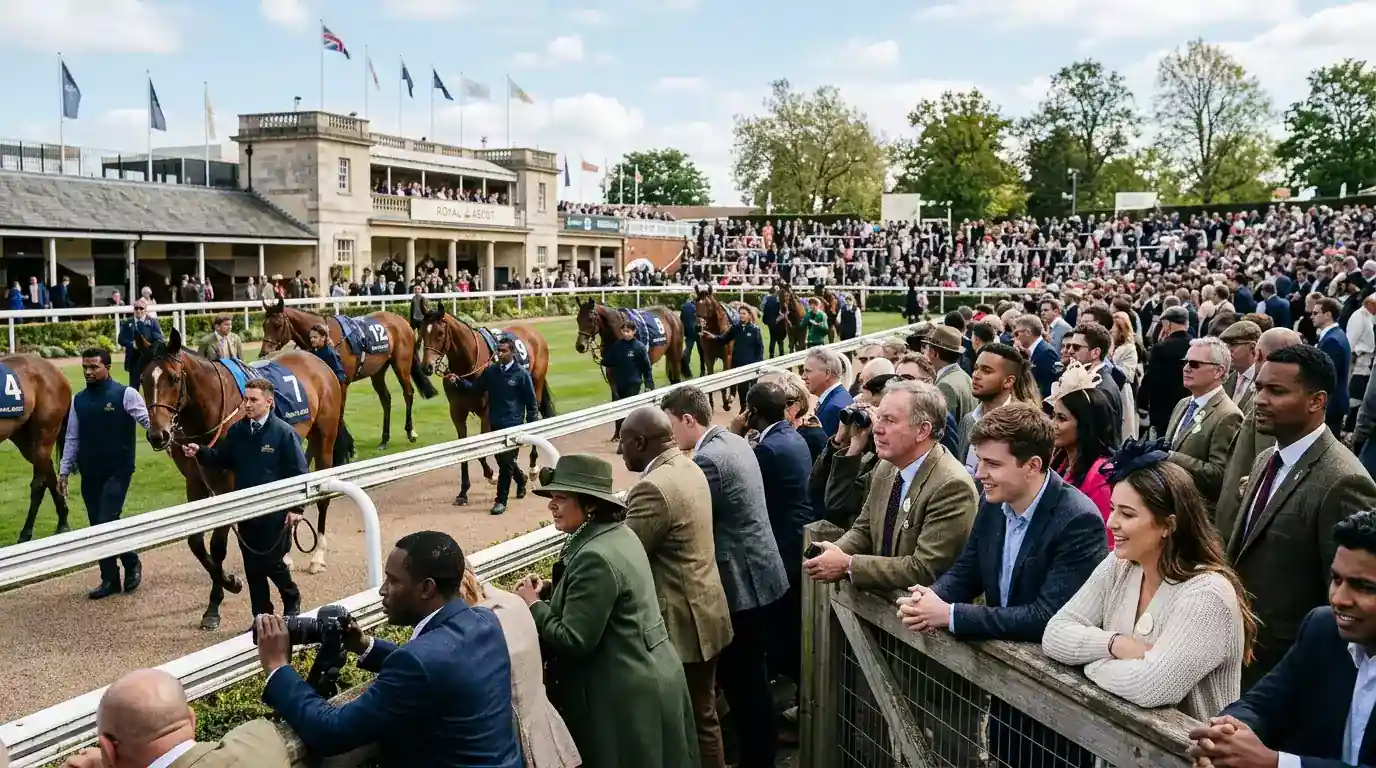
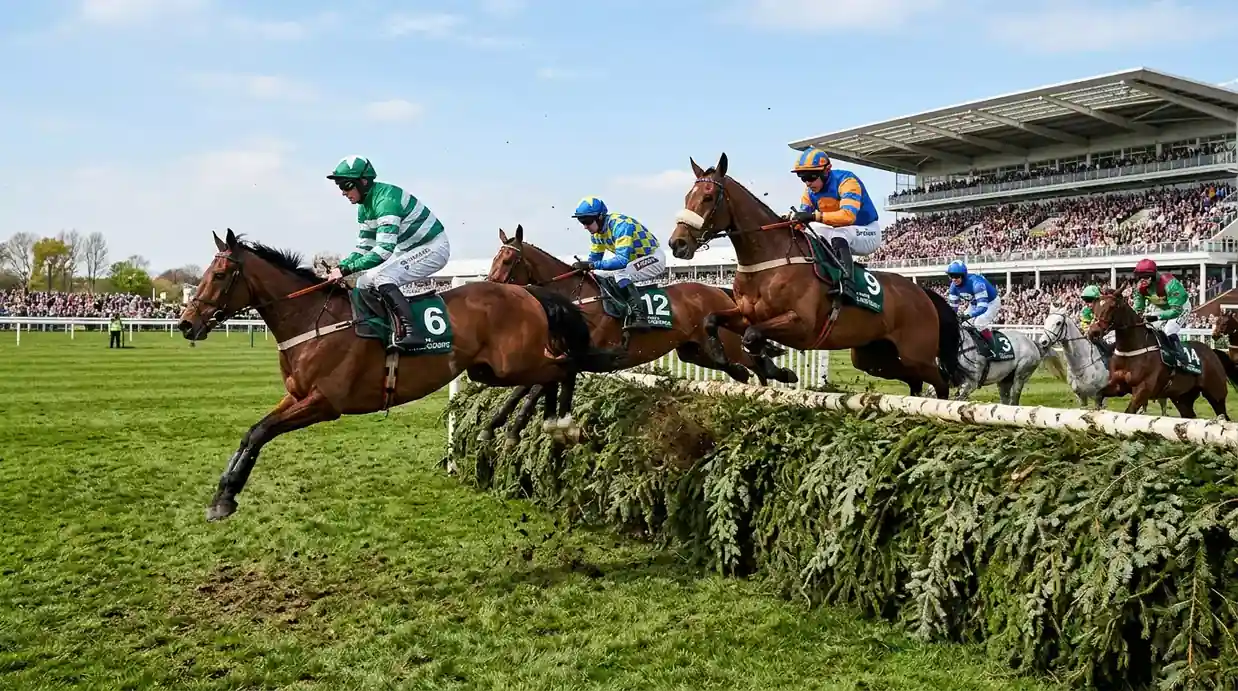
I have been at Epsom on Derby day five times, and every visit reinforces the same impression: there is nothing else in flat racing quite like it. The course rises sharply from the start, sweeps left-handed around Tattenham Corner with a dramatic downhill camber, and then drops into a straight that finishes with a stiff uphill climb. A horse can be travelling beautifully at the top of the hill and be struggling two furlongs later, unbalanced by the camber, exposed by the gradient, and found out by a test that no other course in Britain replicates.
The Derby matters because it is the ultimate examination of a three-year-old thoroughbred. Run over a mile and a half at Epsom Downs in early June, it attracts the best middle-distance colts and fillies in Europe. Racecourse attendance across Britain surpassed 5.031 million in 2025, and Derby day consistently draws one of the largest single-day crowds outside the major festivals. For bettors, the race’s unique demands create a fascinating analytical challenge: the form book only gets you part of the way, because no other race asks the same questions of the same horses.
Epsom’s Camber and Gradient: Why Course Shape Matters for Betting
Epsom is not a standard racecourse. The left-handed horseshoe layout features an uphill section for the first half-mile, followed by a long, sweeping descent around Tattenham Corner and into the home straight. The camber on the downhill section is severe enough that horses running on the outer can lose ground simply by fighting the slope, and those running on the inner can be carried wide by the momentum of the turn.
The practical effect is that balanced, athletic horses handle Epsom far better than big, long-striding gallopers. A horse that stays well at Newmarket’s flat, galloping track may struggle at Epsom if it cannot adjust its stride to the camber and gradient. Conversely, a horse with a neat, adaptable action and good balance can outperform its raw ability on the Downs.
Jockey experience matters more at Epsom than at almost any other course. Riding Tattenham Corner requires a specific skill — positioning the horse to handle the camber without losing momentum, switching leads at the right moment, and timing the acceleration for the uphill finish. Jockeys who have ridden the course many times have a measurable edge over those experiencing it for the first time. I always check whether a jockey has previous Derby experience before weighing their mount’s chances.
The draw also plays a role, though it is less discussed than at Ascot or Goodwood. In smaller fields — the Derby typically has twelve to eighteen runners — the draw is less significant. In larger fields on the wider Epsom track, a middle draw tends to be favourable because it allows the jockey to choose their position without being forced wide or squeezed against the rail.
Trial Races and How to Weight Derby Form
The Derby is unique among the Classics in that no other race replicates its conditions. The Guineas is run over a mile at flat, galloping Newmarket. The Oaks shares the Epsom track but not the field composition. The trial races — the Dante Stakes at York, the Lingfield Derby Trial, the Chester Vase — provide useful form pointers, but each has limitations. The number of horses in training fell to 21,728 in 2025, and within that population the pool of genuine Derby contenders in any given year is no more than fifteen to twenty horses. The form lines between them can be thin.
The Dante Stakes at York is traditionally the most reliable trial. It is run over a mile and a quarter on a flat, left-handed track with a long straight, which tests class and stamina without introducing the Epsom-specific variables. A horse that wins the Dante impressively has proven it stays beyond a mile and can quicken at the finish — two of the three core requirements for the Derby. The missing piece is handling Epsom’s terrain, which no trial can test.
The Lingfield Derby Trial is run on the all-weather surface over a mile and a half on a left-handed track with some undulation. It is closer to Epsom in layout than York, but the surface difference means the form does not translate directly. A useful guide, not a definitive one.
What I look for in a Derby contender is a convergence of signals: strong trial form, a pedigree that suggests the mile-and-a-half trip will be within range, an action that looks suited to undulating ground, and a jockey with Epsom experience. No single factor is decisive. When three or four align, the confidence level rises significantly.
Derby Market Patterns: Early Favourites and Late Movers
The Derby market is one of the most volatile in flat racing. Ante-post favourites change frequently between the end of the two-year-old season and the first Saturday in June. A horse that dominates the winter market can be displaced by a trial winner in April, and a trial winner can drift after a disappointing final prep run in May.
Historically, the Derby has a mixed record with ante-post favourites. Some years the winter favourite wins. Other years, a horse that was 50/1 in February emerges from a trial to become 5/1 by race day. The late-moving market pattern is particularly interesting: horses whose price shortens sharply in the final two weeks before the race tend to be getting strong reports from home, and stable confidence is a genuine signal in a race where so few contenders have publicly tested form over the full trip.
My approach to the Derby market is to watch rather than act until after the key trials. The Dante, the Lingfield Trial, and the Irish 2,000 Guineas all take place in May and provide the sharpest form data available before the race. Taking a price before those trials means betting on potential rather than evidence, and while the prices are longer, the risk of backing a horse that fails to handle the step up in trip or class is commensurately higher.
One pattern I have noted over the years: French-trained raiders deserve more respect than the market gives them. French middle-distance form is consistently underrated by the British betting public, and French trainers have a strong record at Epsom. The prices on their runners tend to be longer than their true chance warrants, particularly when the ground comes up on the softer side — a condition that French horses, trained on deeper surfaces, often handle better than their British counterparts. For punters building a broader understanding of how the UK horse racing betting landscape handles major events, the Derby market is one of the most instructive cases to study.
Frequently Asked Questions
How many runners are there in the Epsom Derby?
The Derby typically attracts between twelve and eighteen runners, though the exact number varies each year based on supplementary entries and late withdrawals. The field is smaller than a big-field handicap but large enough to produce a competitive, open betting market. The maximum field size is governed by safety considerations and the capacity of the Epsom starting stalls.
Why does the Epsom track shape affect Derby results?
Epsom Downs features a unique combination of uphill, downhill, and cambered sections that no other British racecourse replicates. The severe left-handed camber around Tattenham Corner tests a horse’s balance and agility, while the uphill finish tests stamina. Horses that cannot handle the gradient and camber underperform regardless of their raw ability, which is why Epsom form and jockey experience at the course are critical factors in Derby analysis.
Published by the Horse bet Racing team.