Horse Racing Betting Shops in the UK: What Remains of the High Street
 Available in US
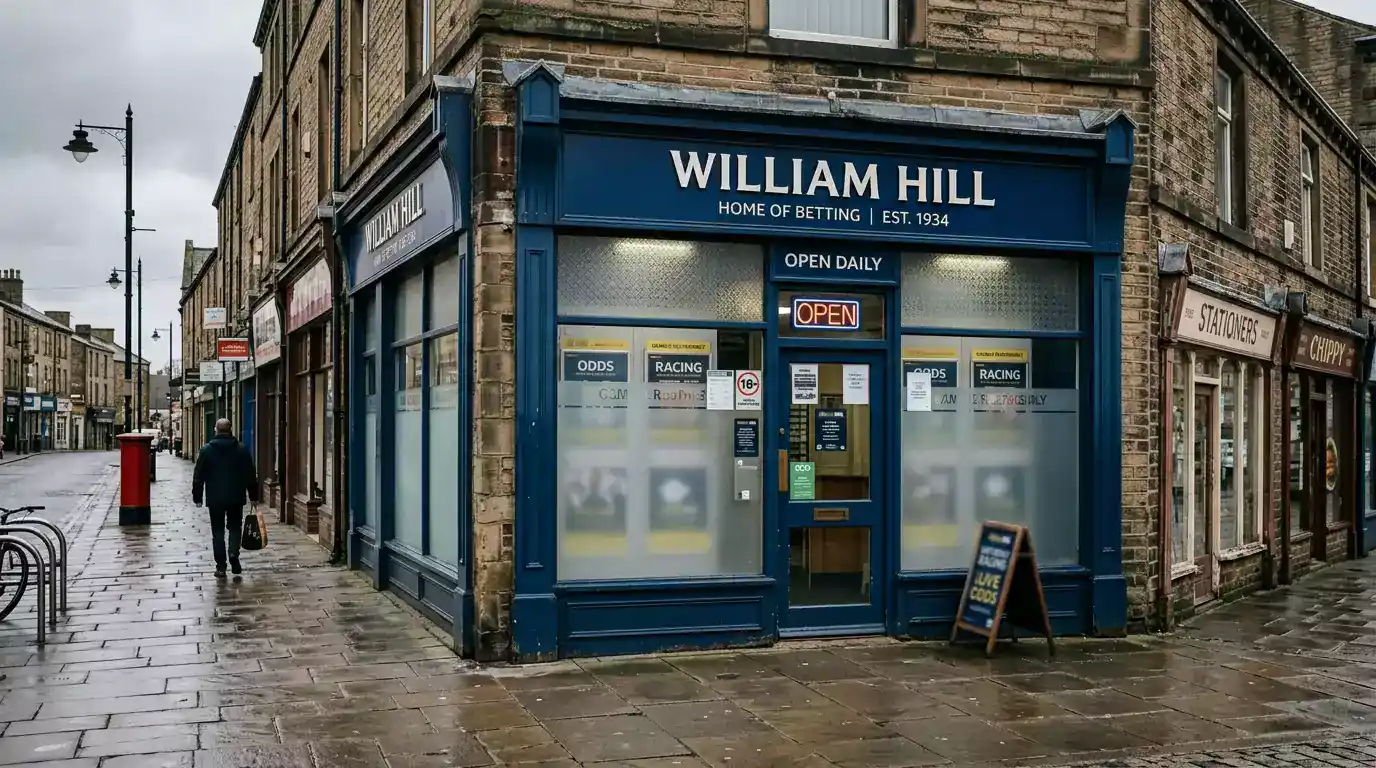
5,825 Shops and Shrinking: The High-Street Picture
There was a betting shop on every high street when I was growing up. You could not miss them — the frosted windows, the Racing Post pinned to the wall by the door, the faint haze of old cigarette smoke that clung to the ceiling tiles long after the smoking ban. They were social spaces as much as commercial ones, places where retired men and shift workers spent afternoons watching the SIS screens and arguing about form. That world has not disappeared entirely, but it has contracted sharply.
The number of licensed betting premises in the UK has fallen to 5,825, a decline of 22.8% from pre-pandemic levels. That is nearly one in four shops gone. The closures have not been evenly distributed — high-street locations in town centres have been hardest hit, while shops near racecourses and in areas with strong local racing traditions have been more resilient. The reasons for the decline are structural, and understanding them helps explain the current state of horse racing betting in the UK.
Why Betting Shops Have Closed: FOBTs, Tax, and Digital Shift
Three forces drove the contraction. The most dramatic was the government’s decision to cut the maximum stake on fixed-odds betting terminals (FOBTs) from £100 to £2 in April 2019. FOBTs — the roulette and slots machines installed in every betting shop — had become the primary profit centre for many outlets. Some shops derived 50% or more of their revenue from terminals rather than over-the-counter racing bets. When the stake was slashed, the economics of hundreds of shops became unviable overnight.
Tax played a supporting role. The General Betting Duty at 15% applies to the gross profits of the shop’s over-the-counter business, and while the rate was preserved in the 2025 Budget, the absolute profit available from a shop with declining footfall and a gutted FOBT income was often too thin to cover rent, wages, and overheads. National living wage increases and business rates added further pressure to margins that were already razor-thin.
The digital shift was the background force that made the other two factors lethal. Online betting offers a wider range of markets, live streaming, cash-out functionality, and 24-hour access. A punter with a smartphone can do everything a betting shop offers and more, without leaving the sofa. The migration to mobile is not specific to racing, but racing’s core betting activity — pre-race, form-based, analytical betting — translates particularly well to the digital format. The racecard is easier to read on a screen than on a wall-mounted monitor, and the ability to compare odds across multiple bookmakers in seconds is an advantage that no physical shop can replicate.
What a Betting Shop Still Offers a Racing Punter
Despite the decline, the surviving shops serve a purpose that the digital experience cannot fully replicate. I still visit one occasionally, and each time I am reminded of what the format does well.
The social dimension is the most obvious. A betting shop on a Saturday afternoon during a big meeting has an atmosphere that no app can match. The collective reactions to a photo finish, the groans when a favourite is beaten, the shared experience of watching racing in real time — these are part of racing’s cultural fabric. A former Chief Strategy Officer at Evoke, one of the UK’s major operators, made the point that the industry’s treatment of winning customers has become so restrictive that professional punters have essentially been excluded from the online market. In a shop, cash bets are anonymous, and the dynamics are different. You walk in, place your bet, watch the race, and collect or commiserate. The account management friction that plagues online betting does not apply in the same way.
Cash betting has its own advantages. There is no paper trail for affordability checks, no deposit threshold to trigger automated reviews, and no account to be restricted. For punters who value privacy and simplicity, the betting shop is the last regulated space that operates on those terms. Whether that regulatory gap closes in the future is a live question, but for now, the high-street shop offers a betting experience that the digital market has made more complicated.
Tax-free winnings apply equally to shop bets and online bets — the punter pays nothing either way. But the shop offers instant cash payouts, which some punters prefer to waiting for an online withdrawal to clear. For small-stakes, social betting on a Saturday afternoon, the shop remains a perfectly viable and enjoyable option.
Online vs Shop: Practical Differences for Horse Racing Bets
The practical gap between the two channels is worth spelling out, because each has strengths that the other lacks.
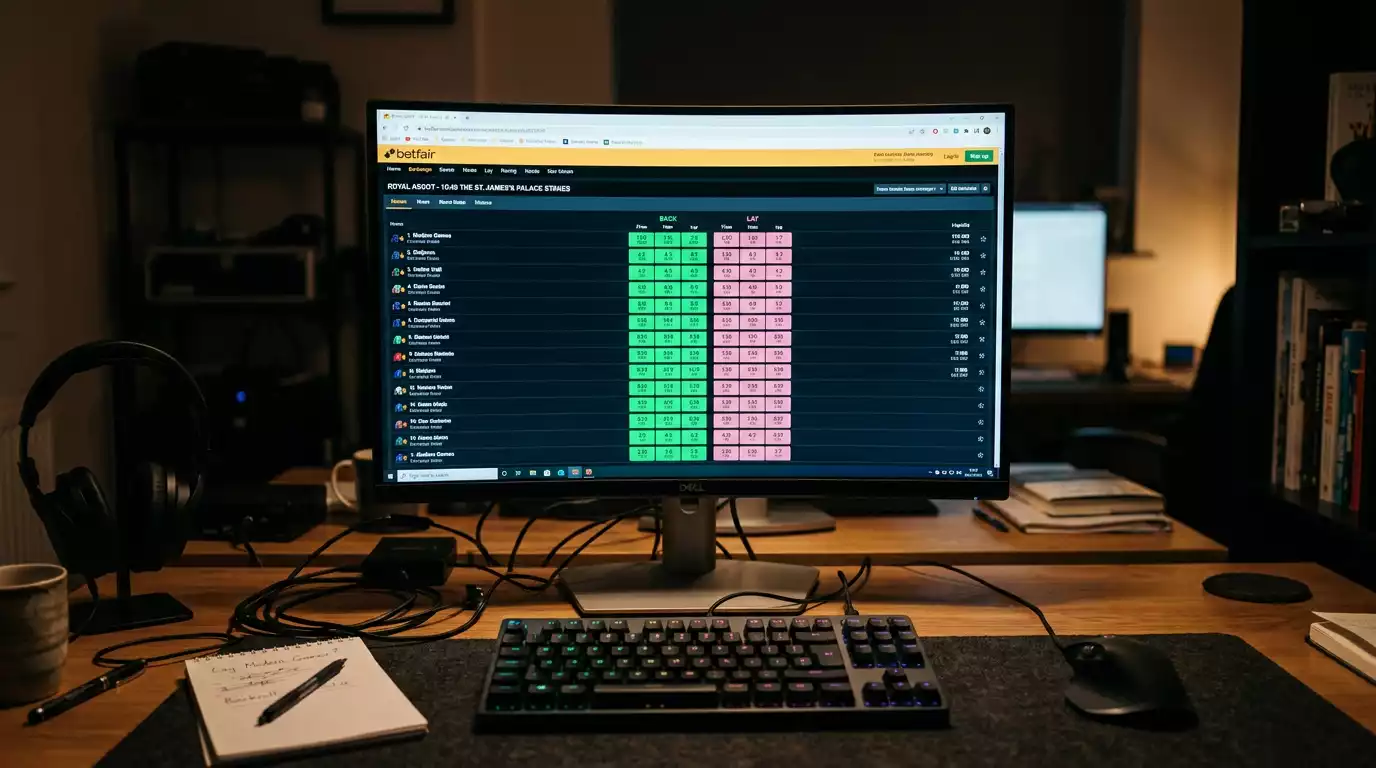
Online betting offers: odds comparison across multiple operators, live streaming of every meeting, cash-out options, Best Odds Guaranteed on most day-of-race bets, and the ability to bet at any hour from any location. The range of bet types is wider, the data is richer, and the record-keeping is automatic. For analytical punters who track their results, online betting is the natural home.
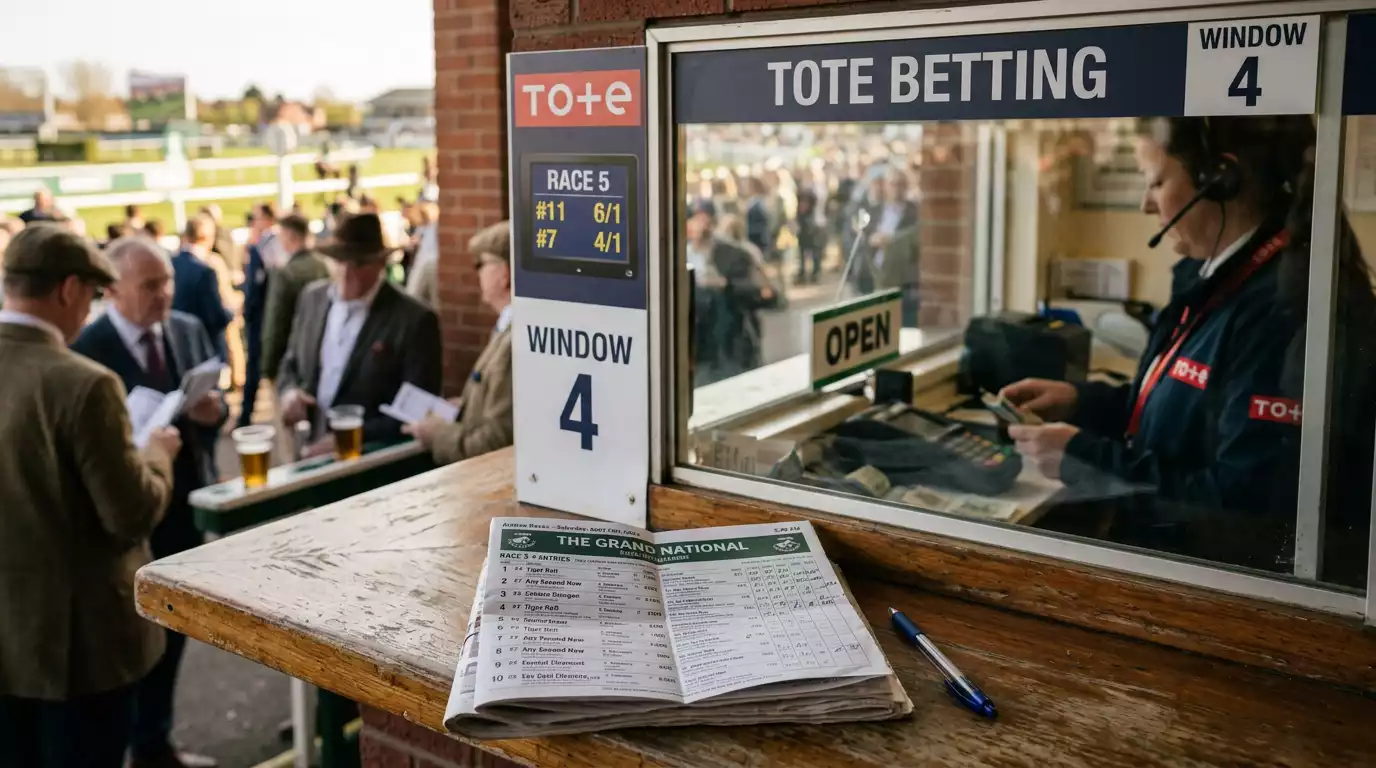
Shop betting offers: anonymity, immediate cash settlement, the social experience, and freedom from account management restrictions. You cannot have your stake limited in a shop the way you can online, though shops do reserve the right to decline very large bets. The range of markets is narrower — you are limited to what is on the screens and the coupons — but for straightforward win and each-way bets on the day’s racing, everything you need is available.
My own split is roughly 90/10 in favour of online. The analytical tools, odds comparison, and BOG coverage make the digital platform the superior choice for serious form-based betting. But I still walk into a shop a few times a year — usually during a big festival, when the atmosphere adds something that a screen cannot. The 5,825 shops that remain are a fraction of what existed a decade ago, but for those who use them, they serve a purpose that goes beyond the transactional. If you are new to racing and building your approach from scratch, the guide to how to bet on horse racing covers both channels and helps you decide which suits your style.
Frequently Asked Questions
How many betting shops are left in the UK?
As of the most recent Gambling Commission data, there are 5,825 licensed betting premises in the UK. That figure represents a 22.8% decline from pre-pandemic levels, driven by the reduction in FOBT stake limits, rising operating costs, and the migration of betting activity to online and mobile platforms.
Can I still place cash bets on horse racing in a betting shop?
Yes. Betting shops accept cash bets on all UK and Irish horse racing, and many also cover international fixtures. You can place win, each-way, and multiple bets over the counter, and winnings are paid in cash immediately. No account registration is required for cash betting, though shops may ask for identification on large payouts as part of anti-money laundering procedures.
Written by the editors at Horse bet Racing.