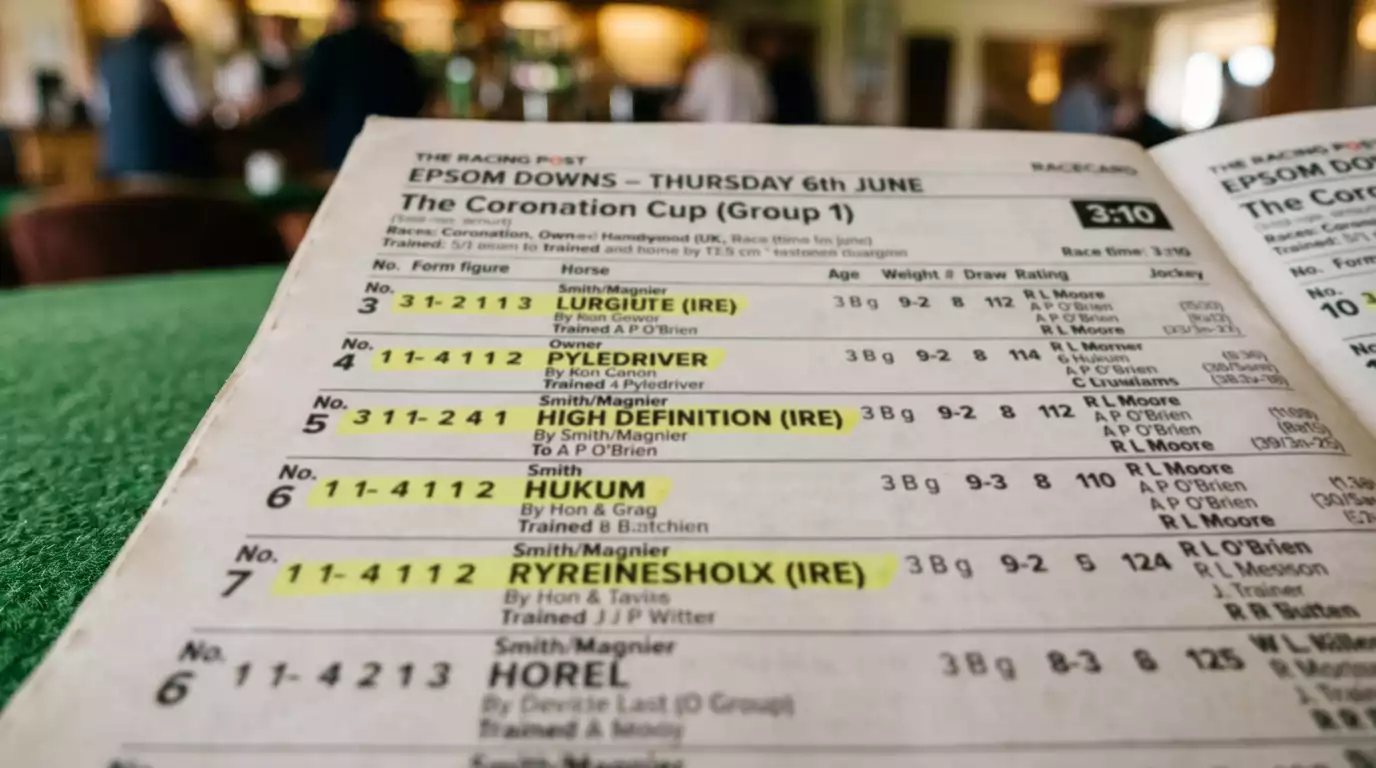
The UK Gambling Commission and Horse Racing: How Regulation Works
 Available in US
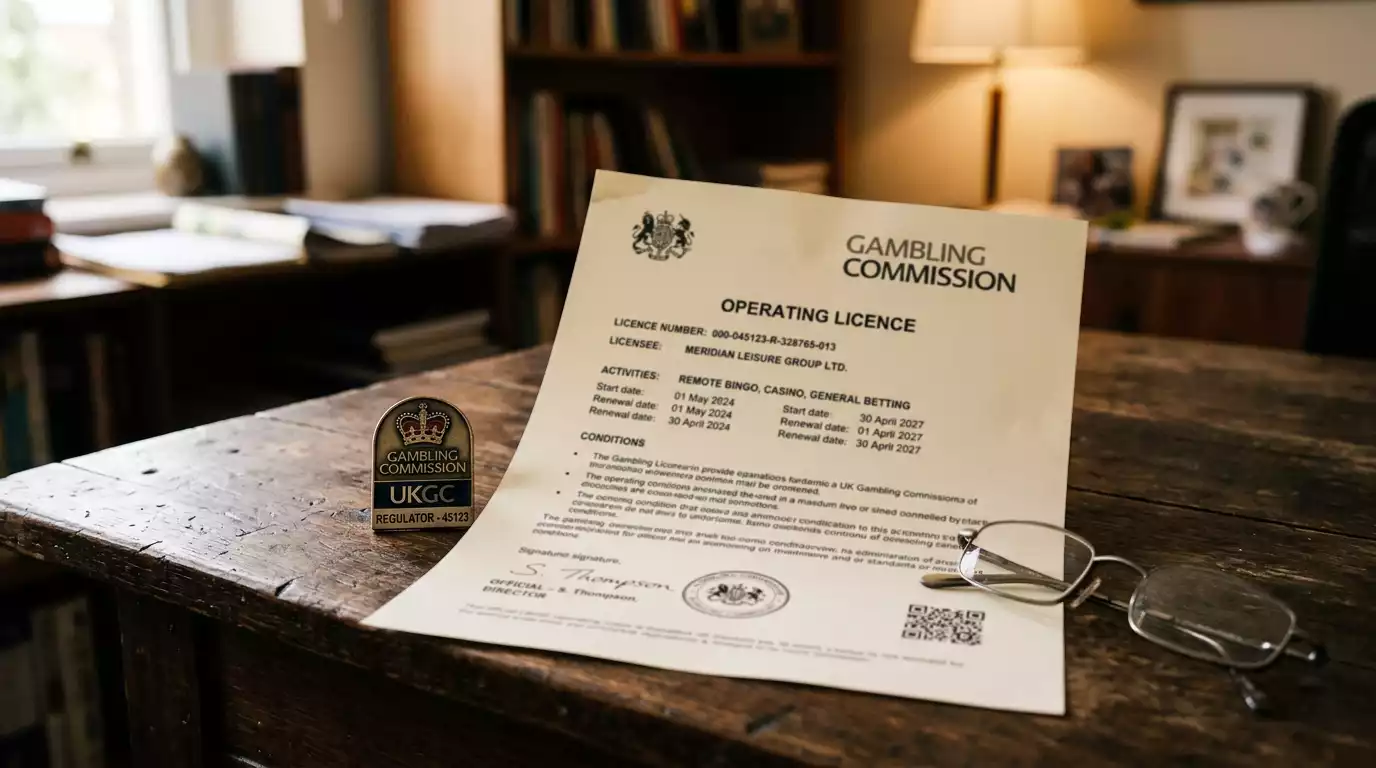
Every Legal Bet in the UK Runs Through One Regulator
When I started betting on horse racing in my twenties, the regulatory landscape was something I never thought about. I opened an account, deposited money, placed bets, and assumed everything was above board because the bookmaker had a website and accepted my debit card. It took a conversation with an industry contact a few years later to understand just how much infrastructure sits between a punter and a bet — and how much of it depends on a single body: the UK Gambling Commission.
The UKGC is the statutory regulator for all commercial gambling in Great Britain. Every bookmaker, every betting exchange, every casino, and every lottery operator that serves British customers must hold a UKGC licence or face criminal prosecution. The Commission has issued 770 cease-and-desist orders against unlicensed operators, closed 264 illegal websites, and referred over 102,000 URLs to Google for removal. Those numbers give a sense of both the scale of the problem and the Commission’s enforcement reach. For horse racing bettors, the UKGC is the invisible framework that makes legal betting possible — and its decisions ripple through everything from the odds you are offered to the speed at which you can withdraw your winnings.
The Licensing Framework for Operators and Individuals
The Gambling Act 2005 established the modern licensing system. There are two main licence types that matter for horse racing: the operating licence, held by the bookmaker or betting exchange, and the personal management licence, held by key individuals within those companies.
An operating licence permits a company to offer gambling services. The application process involves detailed scrutiny of the company’s financial standing, its anti-money laundering procedures, its responsible gambling policies, and its technical infrastructure. The UKGC does not hand these out lightly. The licence conditions are extensive, and operators must demonstrate ongoing compliance through regular reporting, independent audits, and cooperation with regulatory inquiries.
Personal management licences ensure that the people running gambling companies meet the UKGC’s standards. Directors, compliance officers, and other key personnel must pass background checks and demonstrate competence. If an individual fails to maintain the required standards, their personal licence can be revoked, which in turn affects the operating licence of their company.
Remote gambling — the category that covers all online and mobile betting — requires a separate licence class. This matters because many bookmakers that UK punters use are headquartered outside Britain, often in Gibraltar, Malta, or the Isle of Man. Since the Gambling (Licensing and Advertising) Act 2014, any operator that advertises to or accepts bets from British customers must hold a UKGC remote operating licence, regardless of where the company is based. This closed a significant regulatory gap that previously allowed offshore operators to serve the UK market without oversight.
Enforcement in Practice: Cease-and-Desist Actions and Site Closures
The UKGC’s enforcement powers have teeth, though critics argue they are not sharp enough. The Commission can fine operators, suspend or revoke licences, impose conditions, and refer serious cases for criminal prosecution. In 2025 alone, the Treasury allocated an additional £26 million in funding specifically to strengthen the Commission’s capacity to tackle the unlicensed market.
The 770 cease-and-desist actions and 264 site closures represent the visible end of enforcement. Behind those numbers sits a broader intelligence operation that monitors advertising, tracks payment flows, and collaborates with international regulators. The referral of 102,000 URLs to Google is a significant digital enforcement action — removing unlicensed operators from search results cuts off one of their primary customer acquisition channels.
For horse racing specifically, the UKGC’s enforcement intersects with the sport’s integrity framework. The BHA operates its own integrity unit that monitors betting patterns for suspicious activity, and it shares data with the UKGC when potential rule violations are detected. Unusual betting movements on a horse — a sudden shortening of odds without an obvious form explanation — can trigger an investigation that crosses from the sporting body into the regulatory sphere. The layering of these two oversight systems is one reason why British horse racing is regarded internationally as one of the more rigorously policed betting markets.
What the UKGC Means for You as a Punter
Regulation might seem abstract until you need it. The UKGC’s requirements translate into specific, practical protections for anyone placing bets with a licensed operator.
Your funds are protected. Licensed operators must segregate customer funds from operational funds, meaning that if the company goes bankrupt, your balance is ring-fenced. The level of protection varies — some operators hold funds in a separate trust account, others use insurance arrangements — but the principle is consistent: your money is not the bookmaker’s money.
Dispute resolution is available. If you have a complaint about a licensed operator that the company itself cannot resolve, you can escalate it to an independent Alternative Dispute Resolution (ADR) provider. The UKGC approves and monitors these ADR services, and their decisions are binding on the operator. It is not a perfect system — ADR cases can take weeks — but it provides a structured recourse that does not exist with unlicensed operators.
Self-exclusion tools are mandatory. Every UKGC-licensed operator must offer deposit limits, loss limits, session time limits, and the ability to self-exclude. GAMSTOP, the national self-exclusion scheme, allows a single registration to block you from all licensed online gambling sites. These tools exist because the UKGC requires them, and their presence is one of the clearest practical differences between the regulated and unregulated markets.
Advertising standards are enforced. Licensed operators cannot target under-18s, cannot make misleading claims about odds or returns, and must include responsible gambling messaging in their promotions. The standards are imperfect — some advertising still pushes boundaries — but the regulatory floor is meaningfully higher than in unregulated jurisdictions. If you are choosing where to bet, the UKGC licence is the baseline. Everything else — odds, streaming, promotions — is secondary to knowing your operator is regulated, your funds are protected, and your rights as a customer are backed by law. For a practical guide to evaluating operators on these grounds, the criteria for choosing horse racing betting sites build directly on this regulatory foundation.
Frequently Asked Questions
What does UKGC licensing guarantee for horse racing bettors?
A UKGC licence guarantees that the operator has met regulatory standards for financial stability, customer fund protection, responsible gambling tools, fair terms, and dispute resolution. It means your deposits are segregated from the company’s operational funds, you have access to self-exclusion and deposit limit tools, and you can escalate unresolved complaints to an independent ADR provider. It does not guarantee you will win, but it ensures the game is played within a regulated framework.
How can I report an unlicensed betting site to the UKGC?
You can report an unlicensed gambling website directly through the UK Gambling Commission’s website, which has an online reporting form. The UKGC investigates reports and can issue cease-and-desist orders, close sites, and refer URLs to search engines for removal. If you suspect a site is operating without a licence, check the UKGC’s public register of licensed operators first — every legitimate operator is listed there.
Prepared by the Horse bet Racing editorial staff.