Ante-Post Betting on Horse Racing: When Early Prices Offer an Edge
 Available in US

Ante-Post Bets Lock In Prices Months Before the Off
The best ante-post bet I ever struck was nine months before the race. A horse I had been following through its novice hurdle campaign was priced at 25/1 for the following year’s Champion Hurdle. By the time the Festival arrived, it was 5/2 favourite. It won. That single bet delivered a return I would normally take a full season to accumulate — and it started with a decision to commit money when most punters were not even thinking about the race.
Ante-post betting means placing a wager on a race before the day of the event, often weeks or months in advance. The prices are longer because the bet carries additional risk: if your horse does not run, you lose your stake. There is no safety net. Roughly £250 million is wagered on the Grand National meeting alone each year, and the ante-post market for that single race opens six months or more before the April start. For punters willing to accept the risk, ante-post betting offers prices that the day-of-race market simply cannot match.
How Ante-Post Markets Open, Move, and Close
Bookmakers open ante-post markets by pricing up the most likely contenders for major races. The initial prices are wider than the likely SP because the bookmaker is compensating for the uncertainty — many of the horses priced up might not even be entered for the race when the time comes. As the race date approaches, information sharpens: entries are confirmed, trial races are run, and the market tightens.
The movement of ante-post prices tells its own story. A horse whose price shortens steadily from 20/1 to 8/1 over three months is attracting sustained support — either from well-informed stables or from sharp money that has assessed the horse’s preparation and likes what it sees. A horse that drifts from 10/1 to 25/1 is sending the opposite signal: the market is losing confidence, which might mean reports of a training setback, a disappointing trial, or simply that other contenders have emerged.
I monitor ante-post markets weekly rather than daily for the big races. The daily fluctuations are mostly noise — small bets moving the price a point or two. The weekly trend is the signal. A horse that shortens three weeks in a row is building momentum. A horse that shortens sharply on a single day might have been the subject of a single large bet rather than a genuine shift in confidence.
Non-Runner Risk: The Trade-Off for Better Odds
The defining feature of ante-post betting is the non-runner rule: if your horse does not start the race, your stake is lost. No refund. This is the risk premium that funds the longer prices. Richard Wayman, the BHA’s Director of Racing, has pointed to falling betting turnover across the sport, and part of the market’s caution around ante-post betting stems from exactly this risk — punters have been burned by non-runners and become reluctant to commit money early.
The non-runner risk is real but manageable. In big championship races like the Gold Cup, the leading contenders usually make it to the start. Injuries happen, but the top National Hunt stables wrap their best horses in cotton wool during the build-up to the Festival. The risk is higher in handicaps, where entries are larger and final fields are determined by a ballot or the handicapper’s assessments. Backing a horse ante-post for the Grand National, where the field is cut from over 100 entries to 34 runners, carries a much higher non-runner risk than backing the Gold Cup favourite.
Some bookmakers offer “Non-Runner No Bet” (NRNB) on selected ante-post markets. These are typically shorter prices than the standard ante-post odds, because the bookmaker is absorbing the non-runner risk. NRNB prices are a useful middle ground: you get better odds than the day-of-race market without the total loss of stake if the horse is withdrawn. I use them selectively — when the NRNB price is still meaningfully longer than what I expect the SP to be, the bet has value even with the smaller premium.
My personal rule is straightforward: I only bet ante-post on horses whose connections have publicly committed to the target race. A trainer saying “the Gold Cup is the plan, provided the ground is suitable” is a conditional commitment — the word “provided” introduces a non-runner scenario. A trainer saying “the horse is aimed at the Gold Cup and nothing will divert us” is stronger. I read trainer interviews not for tips but for commitment levels. The Grand National field is now capped at 34 runners, reduced from 40 in 2024, which actually makes ante-post betting on the National slightly less risky than it used to be, since a smaller field means slightly better odds of your horse making the cut.
Races Where Ante-Post Value Is Strongest
Not all ante-post markets offer equal value. The races where I have found the most consistent edge over the years share certain characteristics: they attract deep, competitive fields; the market is active enough to produce meaningful price movements; and the form lines leading to the race are clear enough to build a genuine opinion.
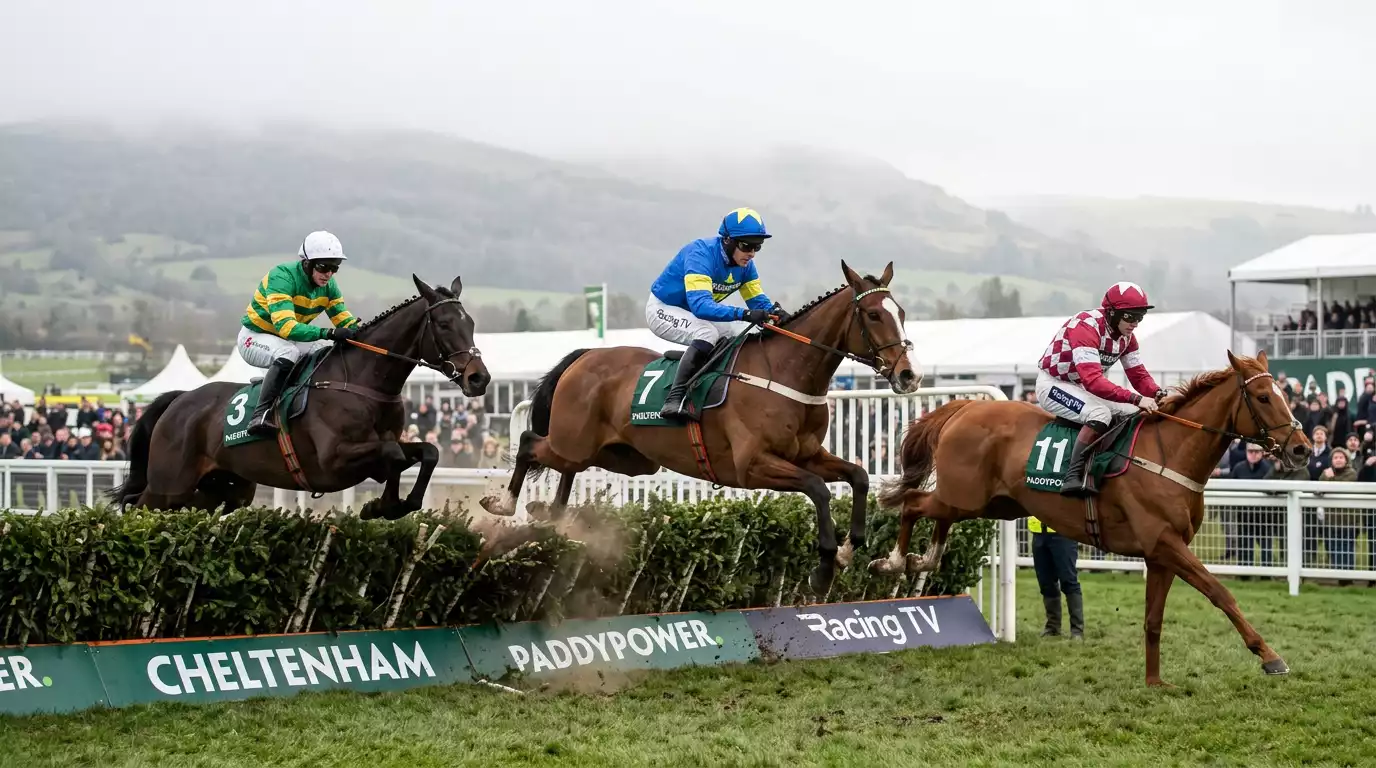
The Cheltenham Festival is the ante-post punter’s paradise. The Champion Hurdle, Gold Cup, and Stayers’ Hurdle all generate active markets from October onwards, and the trial races in January and February provide concrete data points for refining your selections. The Festival handicaps — the Coral Cup, County Hurdle, and Martin Pipe — are harder to bet ante-post because the fields are not confirmed until close to race day, but the feature races are ideal.
The Classics on the flat — the 2,000 Guineas, 1,000 Guineas, Derby, Oaks, and St Leger — are another strong ante-post arena. Two-year-old form provides the initial data, and the three-year-old trials in spring refine the picture. The Derby market, in particular, moves dramatically between December and June, and punters who identify a genuine contender early can secure prices five or ten times longer than the eventual SP.
Where I avoid ante-post betting: big-field handicaps where the final field depends on a ballot (the risk of your horse not even getting in is too high), and any race where the leading contenders have multiple options. If a trainer has three potential festival targets for a horse, the ante-post market for each of those races carries a diluted probability, and the price you are offered may not compensate adequately for the risk of the horse going elsewhere. For a broader view of the Grand National’s unique market dynamics, the ante-post window before Aintree is one of the most active in British racing.
Frequently Asked Questions
What is the difference between ante-post and day-of betting?
Ante-post bets are placed before the day of the race, sometimes weeks or months in advance. They offer longer odds but carry non-runner risk — if your horse does not start, you lose your stake. Day-of-race bets are placed on the day the race is run, at shorter odds, but your stake is returned if the horse is withdrawn. The choice depends on your risk appetite and how much value the early price offers.
Do I get my money back if my ante-post selection is withdrawn?
No, unless you placed the bet under Non-Runner No Bet (NRNB) terms. Standard ante-post bets are all-in: if the horse is withdrawn for any reason — injury, change of plan, failure to meet entry requirements — your stake is lost. NRNB markets offer a refund if the horse does not run but at shorter odds than the standard ante-post price.
Created by the ”Horse bet Racing” editorial team.