Cheltenham Festival Betting: Data, Tips, and Race-by-Race Angles
 Available in US
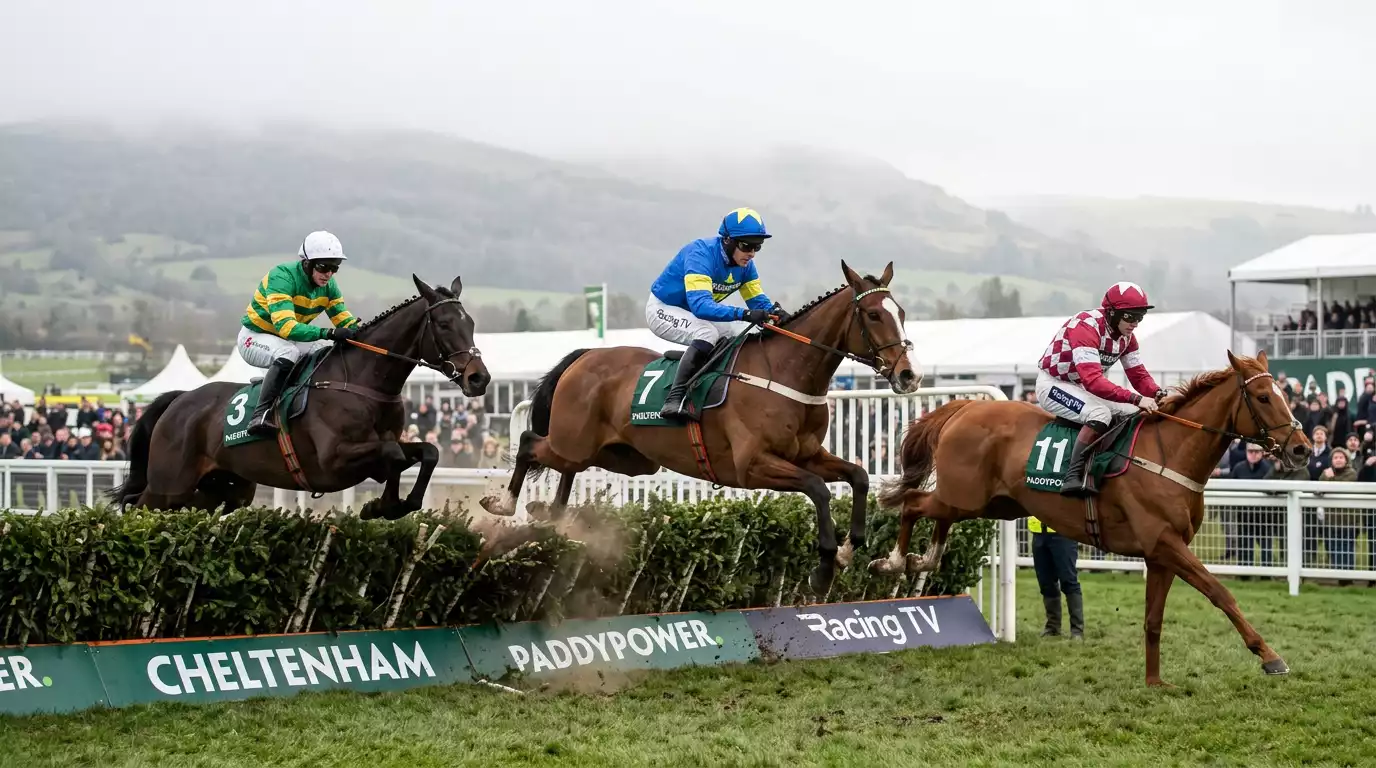
Four Days, 28 Races: Why Cheltenham Dominates the Jumps Calendar
There is a moment on the first Tuesday of Cheltenham week — usually around 1:25 pm, just before the Supreme Novices’ Hurdle goes off — when the noise from the stands hits a pitch that no other meeting in British racing can match. I have been going for nine years and it still raises the hairs on my arms. The roar is not just excitement. It is money talking. Cheltenham Festival is the single biggest concentration of National Hunt betting in the entire calendar, and the prices it generates reward punters who do their homework.
Horse racing participation in the UK swings from around 4% of adults in quieter months to roughly 7% during the spring festival period, and Cheltenham is the primary driver of that seasonal spike. The Grand National attracts roughly 700% more betting turnover than the Cheltenham Gold Cup, but the Festival as a whole — spread across four days and 28 races — generates a depth of betting activity that no single race can match. The variety is the key: novice hurdles, championship chases, handicaps with 20-plus runners, and cross-country events each require different analytical approaches. That diversity is what makes Cheltenham a genuine test of a punter’s range.
Feature Races and What They Reveal About Form
Each day of the Festival is anchored by a feature race, and each feature attracts a different type of betting attention. The Champion Hurdle on Tuesday is about speed and class over two miles. The Queen Mother Champion Chase on Wednesday is the sprint championship over fences. The Stayers’ Hurdle on Thursday tests stamina over three miles. The Gold Cup on Friday is the ultimate examination — three and a quarter miles over fences at the highest level of National Hunt racing.
The form that matters for each race is different. Champion Hurdle contenders need proven form at two miles in Graded company, and the Trials — particularly the Christmas Hurdle at Kempton and the Irish Champion Hurdle at Leopardstown — are the most reliable form pointers. Horses that skip those trials and come to Cheltenham off a light campaign are a risk, however talented they appear. The festival demands match fitness, and the undulating Cheltenham track punishes horses that are not fully tuned.
For the Gold Cup, I look at staying form over three miles or more, specifically on ground that resembles what Cheltenham is likely to ride. The King George VI Chase at Kempton on Boxing Day is the traditional Gold Cup trial, but the tracks are very different — Kempton is flat, right-handed, and fast, while Cheltenham is hilly, left-handed, and tests jumping stamina on the uphill finish. Horses that dominate Kempton do not always translate that form to Prestbury Park. The Denman Chase at Newbury and the Irish Gold Cup at Leopardstown are closer in character to the demands of the Cheltenham track.
Beyond the features, the handicaps on each day offer some of the best betting opportunities of the week. Large fields, open markets, and competitive races mean the form book’s influence is diluted by chance, and outsiders hit the frame far more often than in Graded events. The Coral Cup (Thursday) and the County Hurdle (Friday) are perennial punter favourites, and each-way betting in fields of 20-plus runners gives you multiple routes to a return.
Ante-Post Cheltenham: Timing and Market Traps
Cheltenham ante-post markets open months in advance, and the prices move significantly between December and March. The temptation is to take a big price early and wait. The risk is that a horse’s plans change — an injury, a change of target, or a trainer’s decision to skip the Festival entirely. The total betting turnover on horse racing fell by 9% in early 2025 versus the previous year, and the ante-post market is one area where bookmakers are quietly tightening prices to protect their exposure.
My approach to Cheltenham ante-post betting has evolved over the years. I no longer take prices in November. The information advantage at that stage is minimal, and the non-runner risk is too high. Instead, I wait until after the key January trials — Leopardstown’s Dublin Racing Festival and the Trials Day meetings at Cheltenham and Haydock. By that point, the form picture for most Festival races has crystallised, and the ante-post prices still carry a meaningful premium over the final day-of-race odds.
One trap to avoid: backing last year’s Cheltenham heroes automatically. The Festival’s track demands are specific, and horses that performed brilliantly one year can regress the next, particularly if the ground conditions differ. Cheltenham’s going tends to be Good to Soft or Soft during Festival week, but drier Marches do happen, and the form lines change completely when the ground rides faster.
Ground and Weather at Prestbury Park
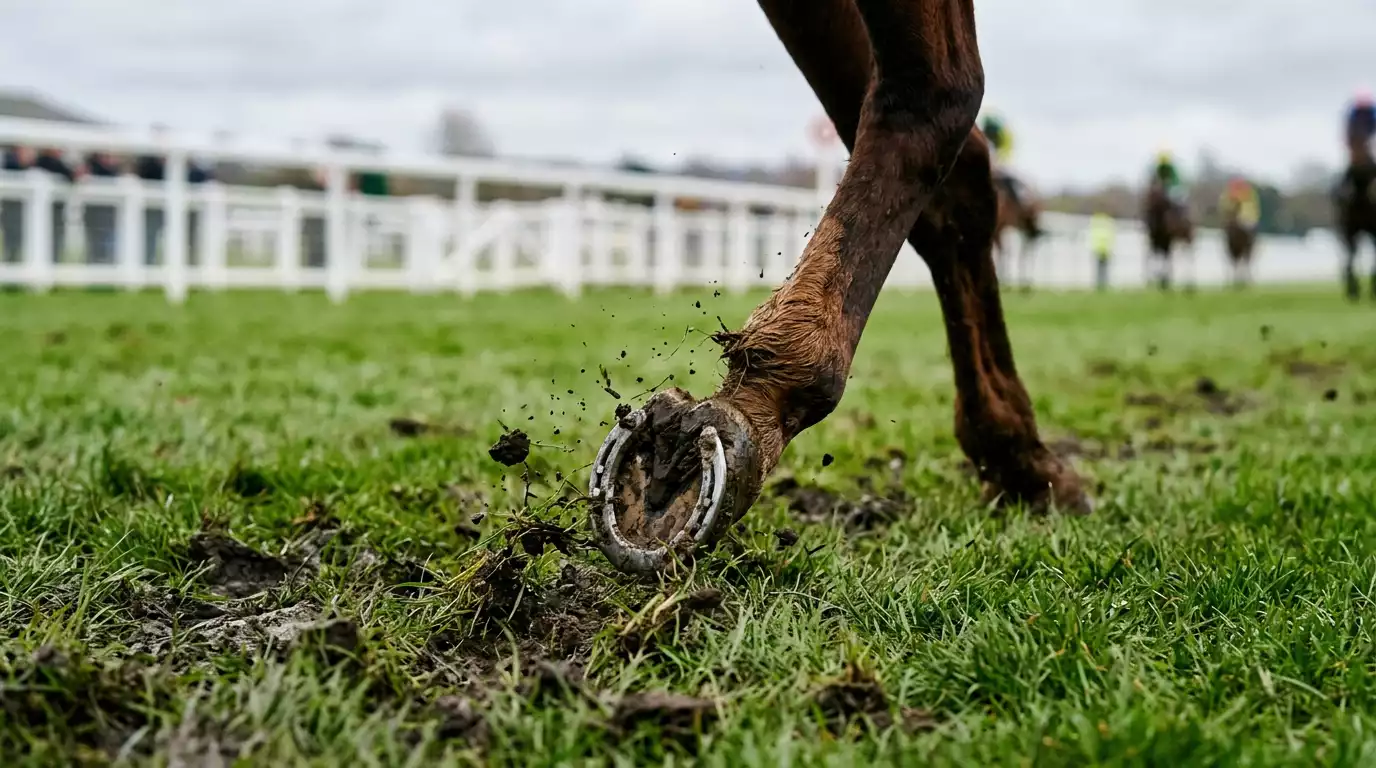
Cheltenham’s geography works against consistent ground conditions. The course sits in a natural amphitheatre at the foot of Cleeve Hill, which channels rainfall onto the track. Drainage has improved over the decades, but heavy winter rain can leave the course riding Soft or Heavy into March, and late-season dry spells can firm it up to Good or Good to Firm.
I check the going report daily in the week before the Festival. The going-stick readings at Cheltenham are published on the racecourse and BHA websites, and they give a more precise picture than the verbal description. A reading of 6.5 (“Good to Soft”) plays very differently from 4.8 (“Soft”), even though both might appear under the same official category until the clerk updates the description.
Ground conditions at Cheltenham affect certain races more than others. The cross-country chase, run on a separate course with banks and ditches, becomes a survival test in heavy going. The Supreme Novices’ Hurdle, a speed test over the minimum trip, rewards horses that handle the ground without losing their natural pace. If you have backed a speed horse ante-post and the ground comes up Heavy, you have a problem. The lesson is to build going preference into your ante-post analysis rather than hoping for favourable conditions on the day. A look at the full UK horse racing betting landscape shows why Cheltenham’s unique demands make it a festival that rewards specialists.
Frequently Asked Questions
When is the Cheltenham Festival and how many days does it last?
The Cheltenham Festival takes place in March each year, typically in the second or third week. It runs for four days, Tuesday through Friday, with seven races per day totalling 28 races across the meeting. The feature races are the Champion Hurdle (Tuesday), Queen Mother Champion Chase (Wednesday), Stayers’ Hurdle (Thursday), and Cheltenham Gold Cup (Friday).
What is the best strategy for Cheltenham ante-post betting?
Wait until after the key January and February trials before committing money. The Dublin Racing Festival, Cheltenham Trials Day, and key Haydock meetings reveal the genuine Festival contenders. Taking prices after those trials still offers a premium over day-of-race odds while significantly reducing the risk of backing a non-runner. Always factor in ground preference, because Cheltenham’s going can vary widely from year to year.
Created by the ”Horse bet Racing” editorial team.